Sean Connelly
(B. Hawai‘i)Operates at the intersection of contemporary art, architecture, and oceanic futures, producing work that reshapes spatial, cultural, and institutional systems.
Projects
Projects are organized across interrelated modes of artistic practice that together form a single body of work. This work uses visual and material production, spatial intervention, and civic engagement to reshape architectural, ecological, and cultural systems. The framework reflects an active, long-term responsibility to land, place, and collective futures, where imagination operates as a tool for sustained transformation at human and regional scales, and where discrete artworks anchor inquiry grounded in intellect, advocacy, and community.
Artworks
Exhibitions, installations, films, and sculptural works presented in galleries, museums, and public contexts.
Built Environments
Architectural, land-based, and site-specific projects that engage material systems, ecology, and place beyond the gallery and studio.
Fieldwork
Civic engagement; nonprofit leadership, advocacy, and artist-led, place-based initiatives advancing deep systems change.
Artworks
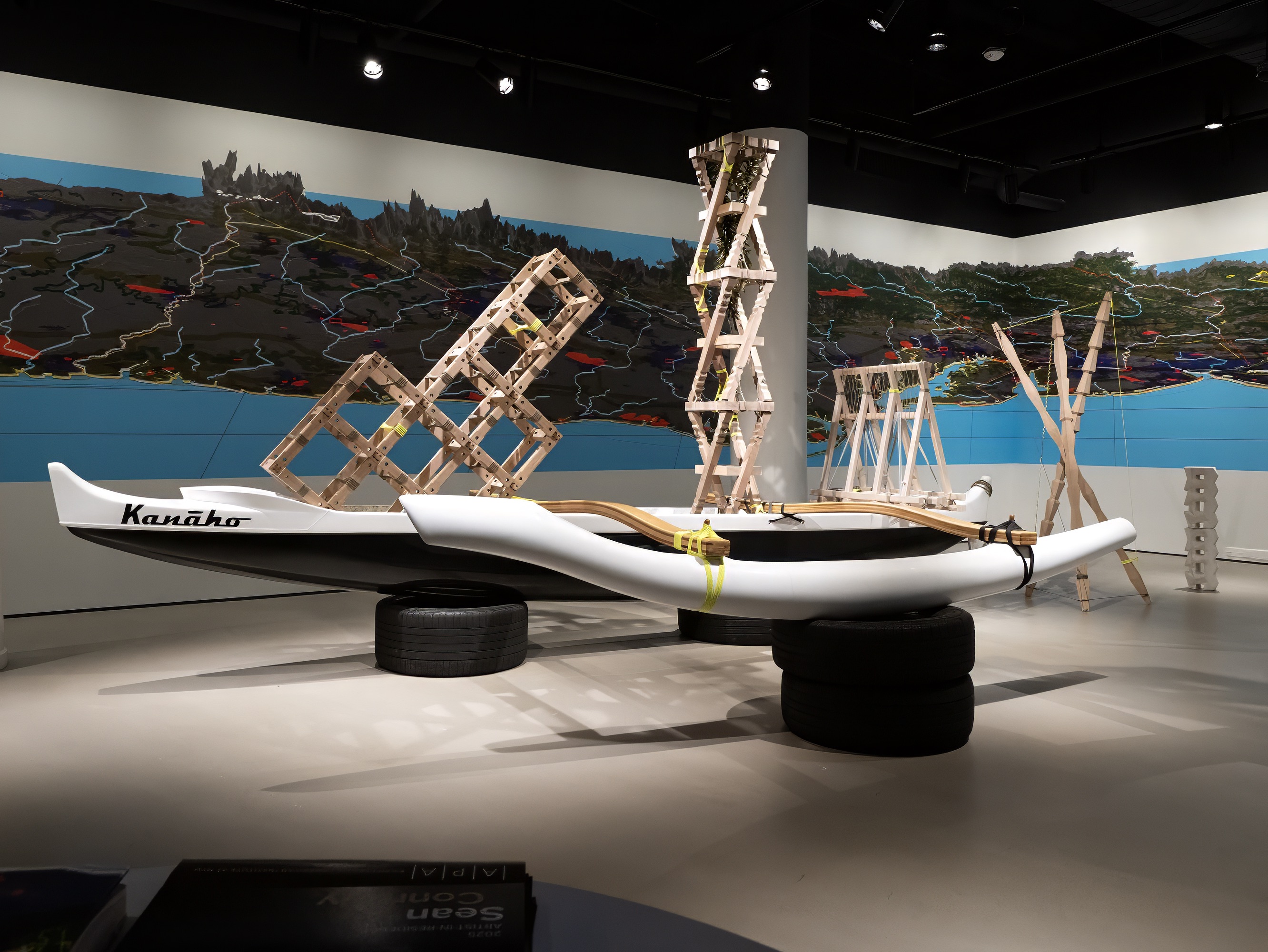
Image by Artist.
Hawai‘i is not the United States, but it is your Future.
2025. Solo Exhibition; Sculpture; Mapping
20 Cooper Square Gallery, APA Institute NYU
Manhattan, New York
A solo exhibition presenting sculptural assemblies, cartographic reorientation, and a full-scale outrigger canoe as an indoor public artwork. Using ahupuaʻa logic and mauka-to-makai orientation, the work reframes urban space as an island system governed by reciprocity. The exhibition situates Hawai‘i as precedent rather than periphery within Connelly’s ongoing inquiry into land, governance, and collective responsibility.
2025. Solo Exhibition; Sculpture; Mapping
20 Cooper Square Gallery, APA Institute NYU
Manhattan, New York
A solo exhibition presenting sculptural assemblies, cartographic reorientation, and a full-scale outrigger canoe as an indoor public artwork. Using ahupuaʻa logic and mauka-to-makai orientation, the work reframes urban space as an island system governed by reciprocity. The exhibition situates Hawai‘i as precedent rather than periphery within Connelly’s ongoing inquiry into land, governance, and collective responsibility.
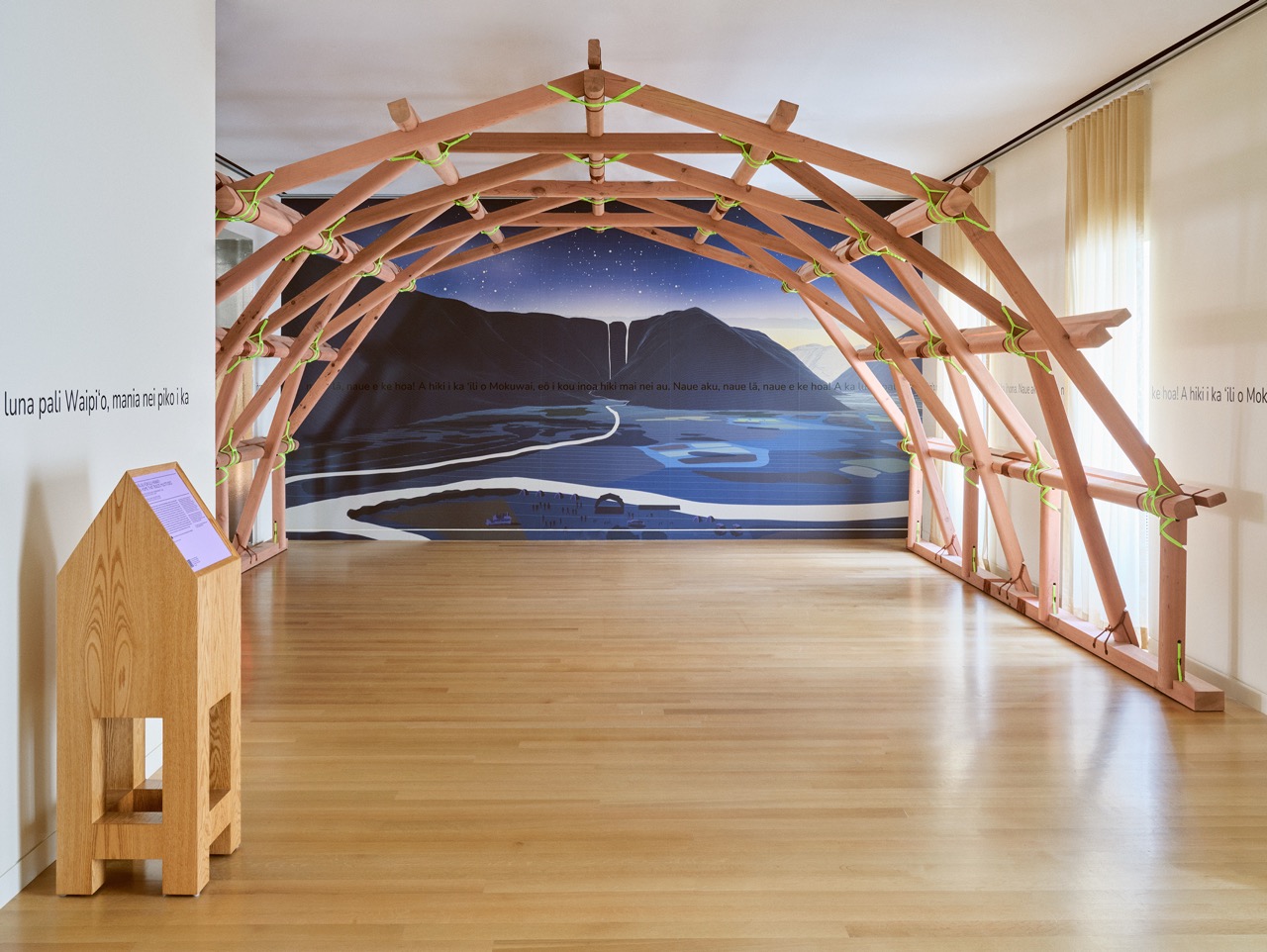 Image by Christian Delfino
Hālau Kūkulu Hawai‘i (Structure)
2024. Group Exhibition; Building; Mapping
Cooper Hewitt Design Museum — Manhattan, New York
A full-scale installation proposing Native Hawaiian building knowledge as contemporary architectural practice. Developed through collaboration with cultural practitioners, architects, and engineers, the project adapts traditional hale and waʻa lashing techniques—cordage in place of metal fasteners—to build a scalable structure that frames construction as collective care for ʻāina. Designed in collaboration with Leong Leong. Curated by Alexandra Cunningham Cameron.
2024. Group Exhibition; Building; Mapping
Cooper Hewitt Design Museum — Manhattan, New York
A full-scale installation proposing Native Hawaiian building knowledge as contemporary architectural practice. Developed through collaboration with cultural practitioners, architects, and engineers, the project adapts traditional hale and waʻa lashing techniques—cordage in place of metal fasteners—to build a scalable structure that frames construction as collective care for ʻāina. Designed in collaboration with Leong Leong. Curated by Alexandra Cunningham Cameron.
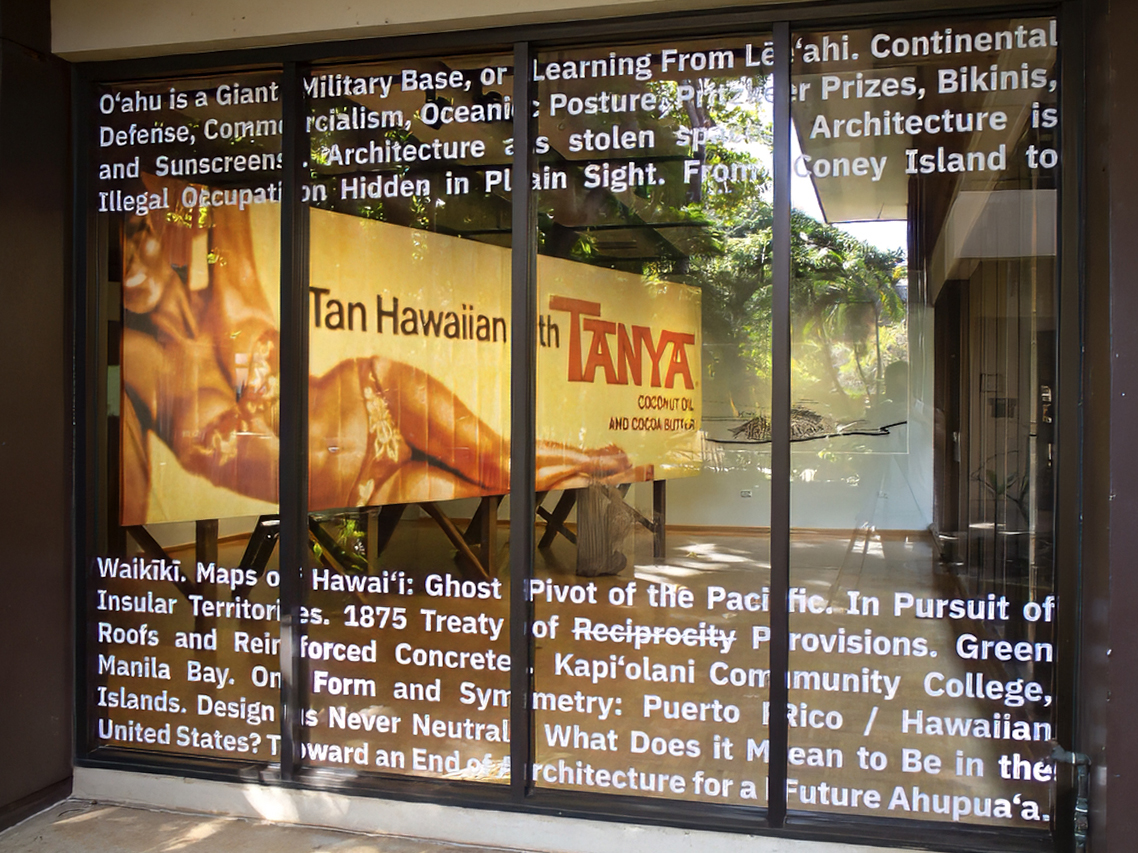
Image by Artist.
Learning from Lē‘ahi
2021. Solo Exhibition; Sculpture; Mapping; Film
Koa Gallery — Honolulu, Hawai‘i
An exhibition examining Lē‘ahi (Diamond Head) as a site shaped by geology, militarization, and tourism. Sculptural studies, cartographic analysis, and moving image trace how landforms become symbols and infrastructure. The work treats learning from place as method, positioning sculpture and media as tools for reading layered histories and contested futures across land and water systems.
read more
2021. Solo Exhibition; Sculpture; Mapping; Film
Koa Gallery — Honolulu, Hawai‘i
An exhibition examining Lē‘ahi (Diamond Head) as a site shaped by geology, militarization, and tourism. Sculptural studies, cartographic analysis, and moving image trace how landforms become symbols and infrastructure. The work treats learning from place as method, positioning sculpture and media as tools for reading layered histories and contested futures across land and water systems.
read more
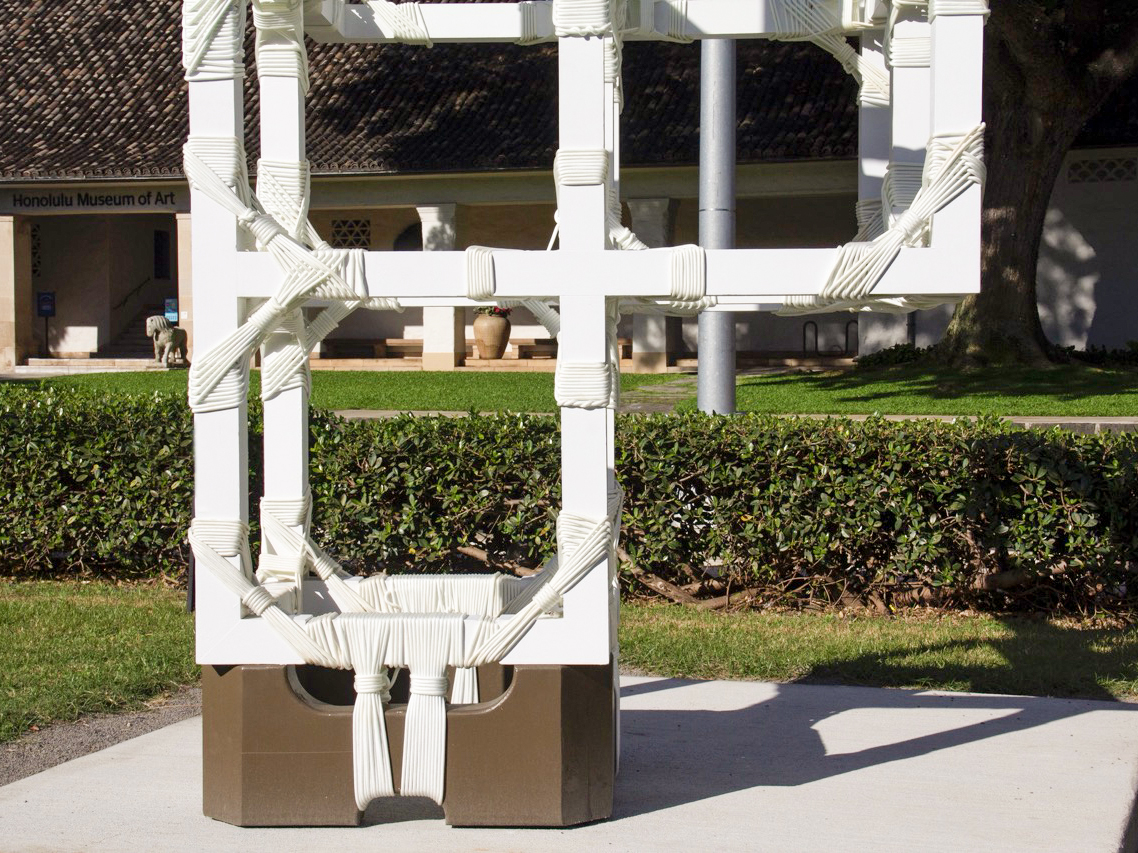
Image by Artist.
Sixteen Cube Truss About Building Systems
2020. Public Art; Sculpture
Thomas Square — Honolulu, Hawai‘i
A sculptural and spatial study of modular building systems using a sixteen-cube truss as a generative structure. Repetition, load, and assembly operate as architectural and cultural logics, treating structure as a thinking tool. The work extends Connelly’s practice of translating spatial systems into visual form, bridging material intelligence, mapping, and institutional critique. Installed in collaboration with Aniku Romero Kupihea and Ian Eichelberger.
read more
2020. Public Art; Sculpture
Thomas Square — Honolulu, Hawai‘i
A sculptural and spatial study of modular building systems using a sixteen-cube truss as a generative structure. Repetition, load, and assembly operate as architectural and cultural logics, treating structure as a thinking tool. The work extends Connelly’s practice of translating spatial systems into visual form, bridging material intelligence, mapping, and institutional critique. Installed in collaboration with Aniku Romero Kupihea and Ian Eichelberger.
read more
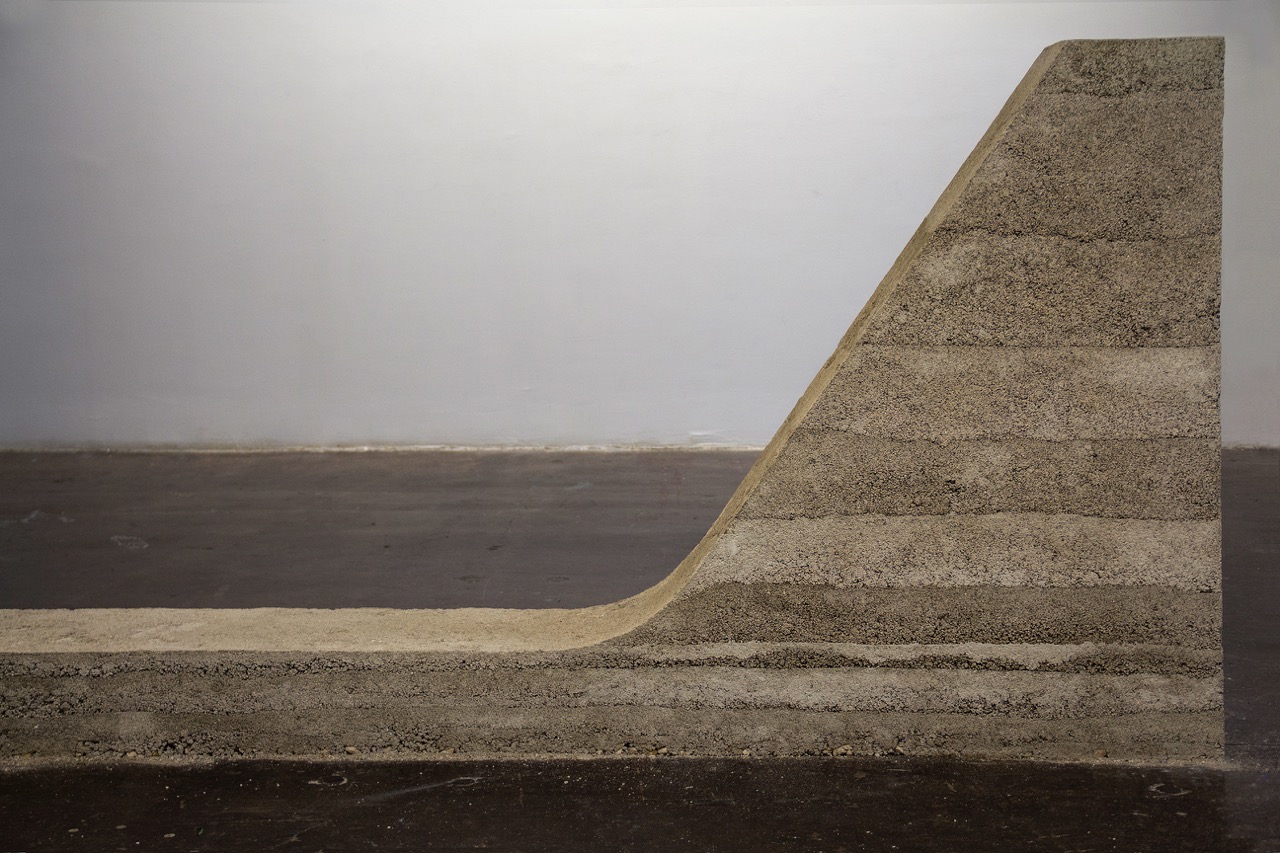
Image by Artist.
Waterway
2018. Group Exhibition; Sculpture.
Luggage Store Gallery — San Francisco, California
A sculptural work addressing water as material, infrastructure, and organizing force. The piece considers how waterways shape movement, labor, and settlement, treating water as an active agent within built and social environments. It extends Connelly’s recurring emphasis on hydrology and land use, using sculpture to make systems of flow and constraint physically legible. Curated by Trisha Lagaso Goldberg.
read more
2018. Group Exhibition; Sculpture.
Luggage Store Gallery — San Francisco, California
A sculptural work addressing water as material, infrastructure, and organizing force. The piece considers how waterways shape movement, labor, and settlement, treating water as an active agent within built and social environments. It extends Connelly’s recurring emphasis on hydrology and land use, using sculpture to make systems of flow and constraint physically legible. Curated by Trisha Lagaso Goldberg.
read more
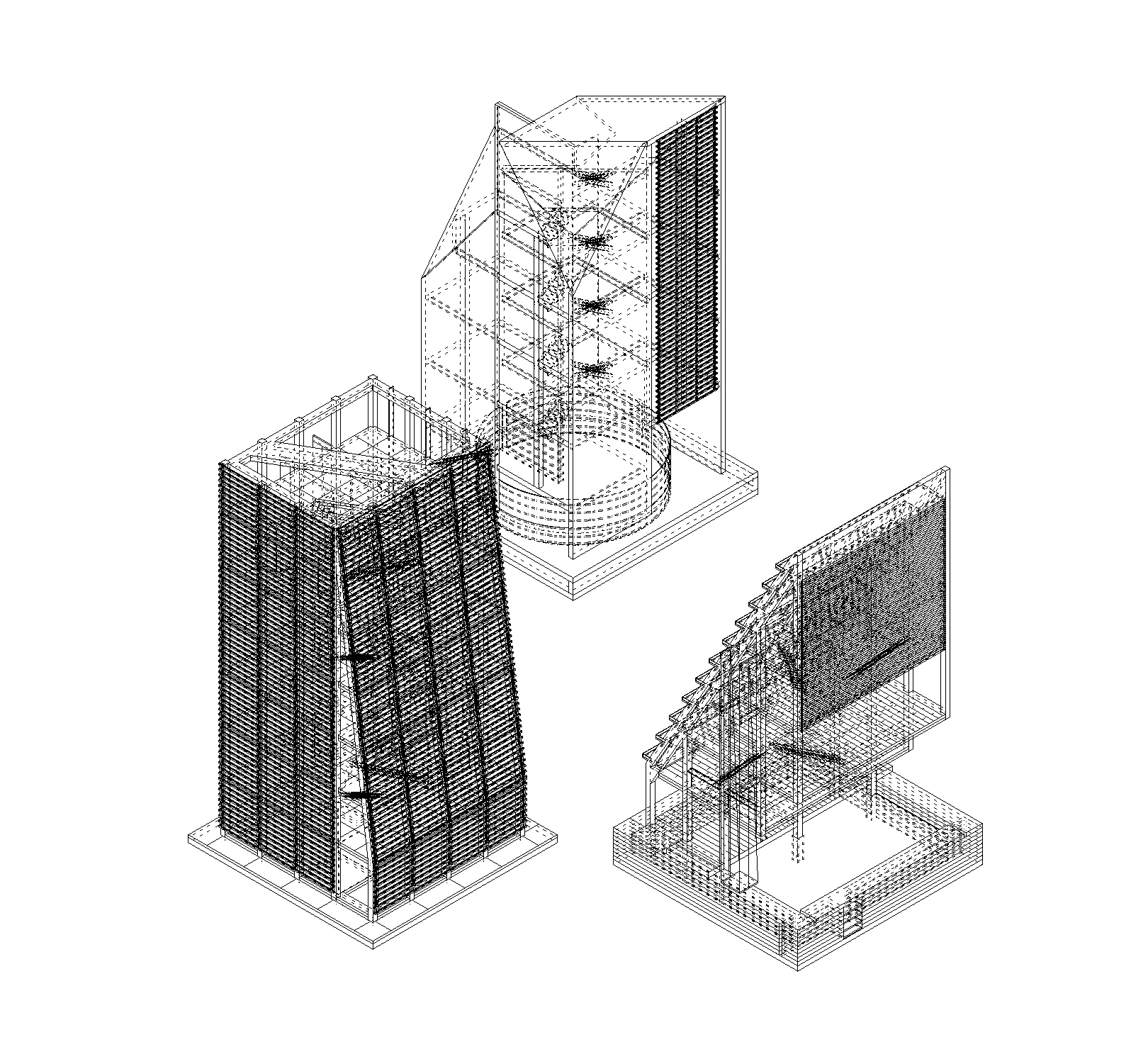
Image by Artist.
Three Houses (Hawai‘i in a Thousand Years)
2017. Group Exhibition; Sculpture
Honolulu Academy of Art School — Honolulu, Hawai‘i
A sculptural proposal imagining future domestic forms in Hawai‘i across deep time. The work treats housing, climate, and cultural continuity as interconnected design problems, grounding speculation in place-based knowledge. It positions sculpture as architectural thought experiment—linking built form to ecological time, governance, and the pressures shaping island futures. Curated by Paradise Cove.
read more
2017. Group Exhibition; Sculpture
Honolulu Academy of Art School — Honolulu, Hawai‘i
A sculptural proposal imagining future domestic forms in Hawai‘i across deep time. The work treats housing, climate, and cultural continuity as interconnected design problems, grounding speculation in place-based knowledge. It positions sculpture as architectural thought experiment—linking built form to ecological time, governance, and the pressures shaping island futures. Curated by Paradise Cove.
read more
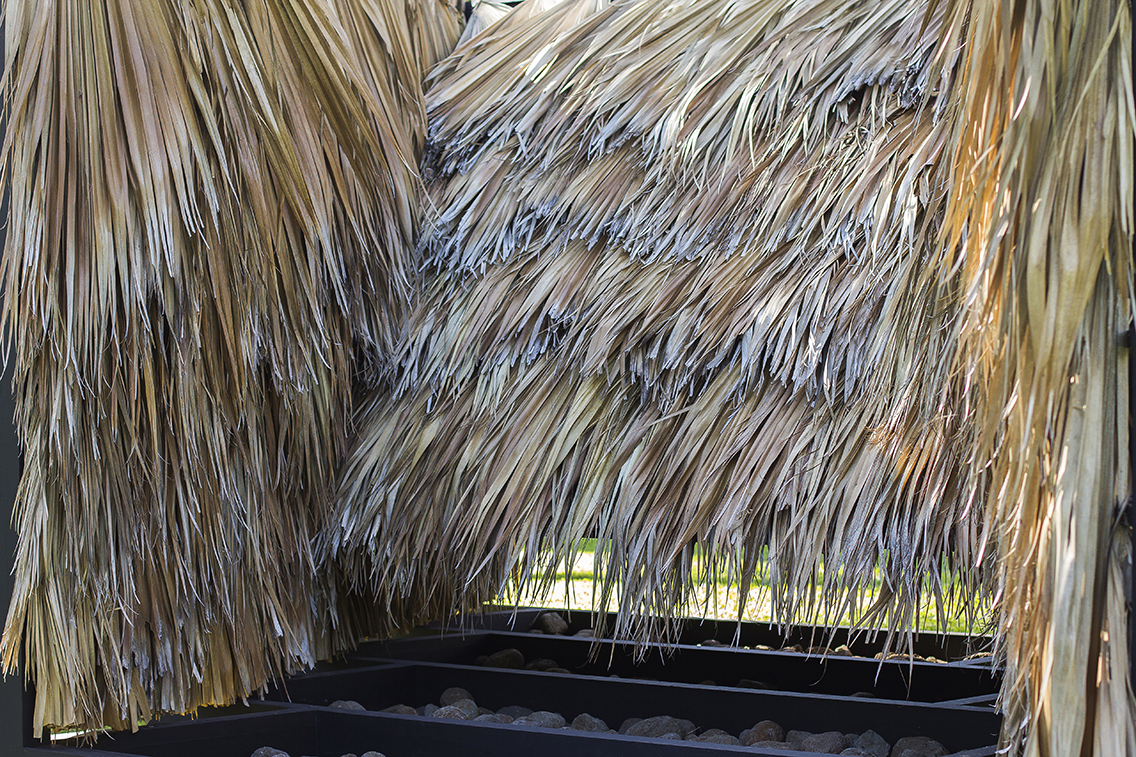
Image by Artist.
Thatch Assembly with Rocks
2017. Group Exhibition; Sculpture
Foster Botanical Gardens — Honolulu, Hawai‘i
An outdoor sculptural assembly combining thatch and stone to engage Indigenous building logics. Weight, balance, and assembly are treated as cultural techniques rather than stylistic gestures, with the garden acting as site and collaborator. The work extends Connelly’s interest in material systems and land-based making, where construction becomes a way to think with place. Curated by Fumio Nanjo and Ngahiraka Mason.
read more
2017. Group Exhibition; Sculpture
Foster Botanical Gardens — Honolulu, Hawai‘i
An outdoor sculptural assembly combining thatch and stone to engage Indigenous building logics. Weight, balance, and assembly are treated as cultural techniques rather than stylistic gestures, with the garden acting as site and collaborator. The work extends Connelly’s interest in material systems and land-based making, where construction becomes a way to think with place. Curated by Fumio Nanjo and Ngahiraka Mason.
read more
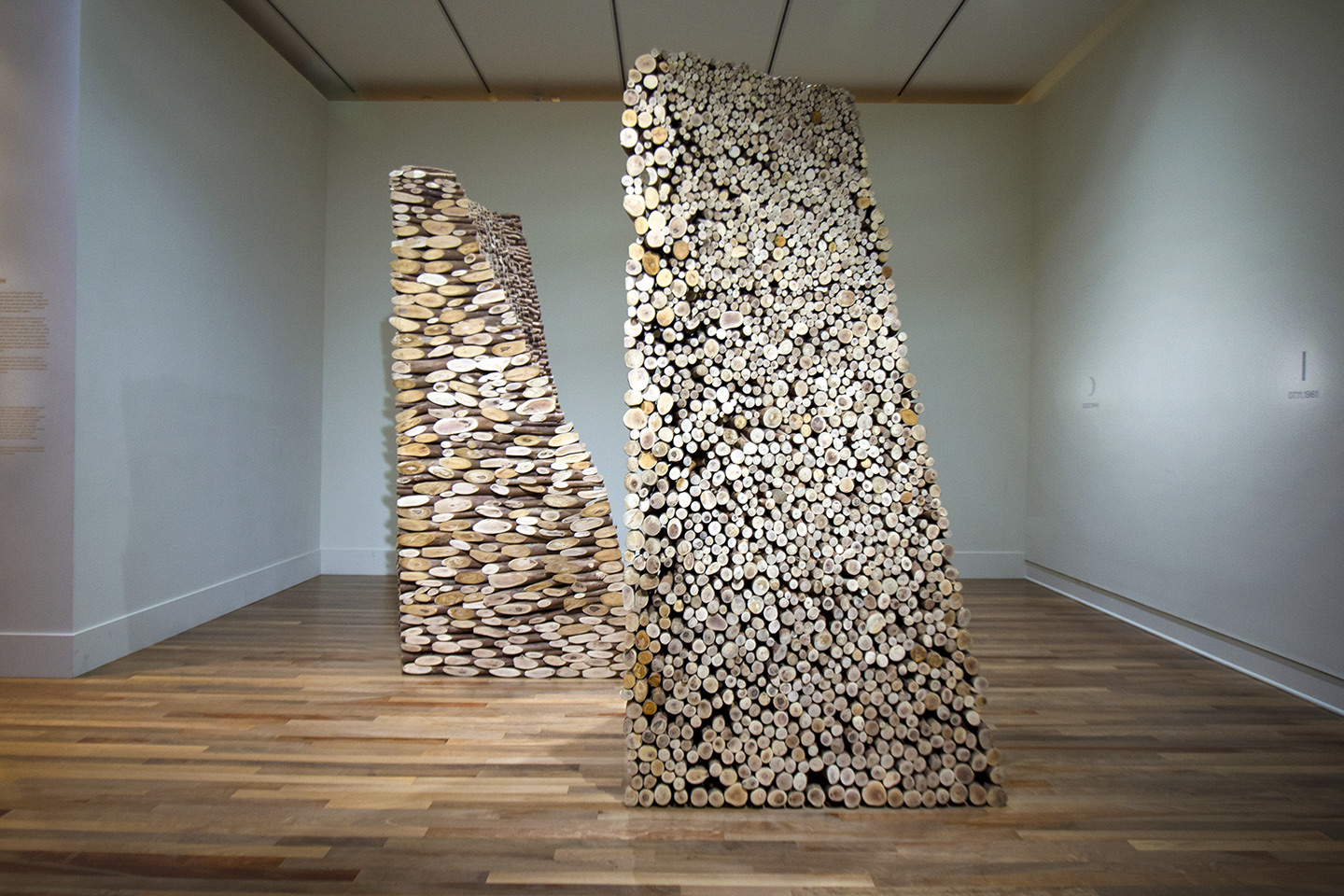
Image by Artist.
Land Division
2014. Solo Exhibition; Sculpture
Honolulu Museum of Art — Honolulu, Hawai‘i
A sculptural exhibition examining land division as a system of governance and responsibility. Drawing on ahupua‘a logic, the work considers how boundaries organize access, care, and resource flow, translating spatial policy into material form. It advances Connelly’s long-term inquiry into ʻāina as an interdependent system—ecological, cultural, and infrastructural.
read more
2014. Solo Exhibition; Sculpture
Honolulu Museum of Art — Honolulu, Hawai‘i
A sculptural exhibition examining land division as a system of governance and responsibility. Drawing on ahupua‘a logic, the work considers how boundaries organize access, care, and resource flow, translating spatial policy into material form. It advances Connelly’s long-term inquiry into ʻāina as an interdependent system—ecological, cultural, and infrastructural.
read more
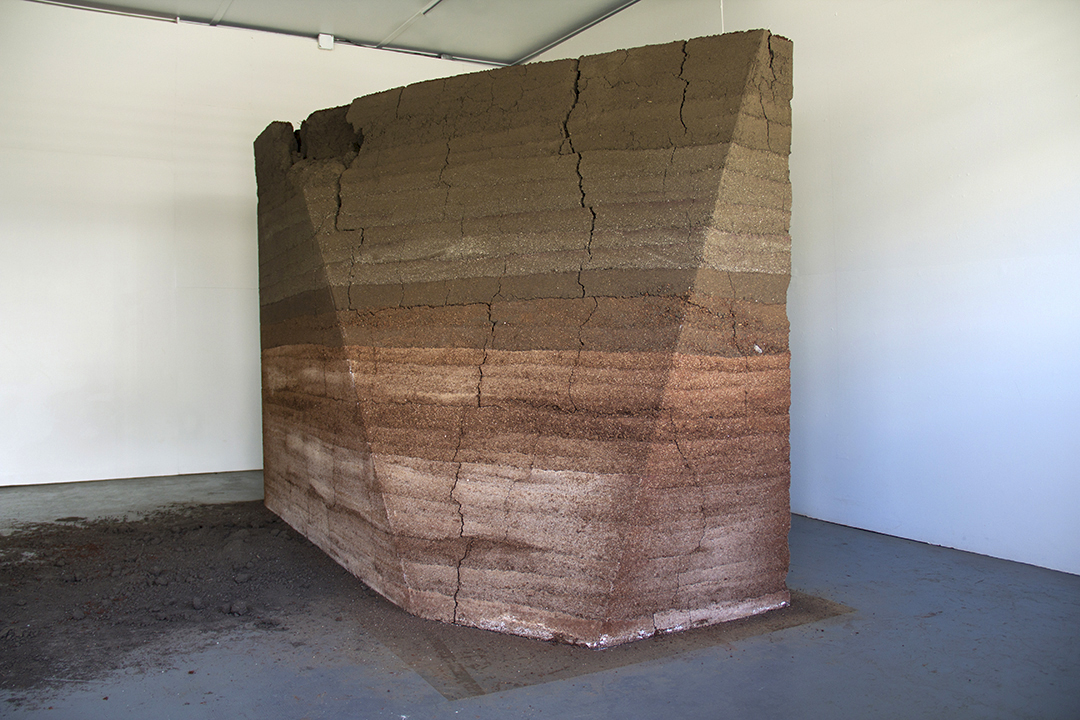
Image by Artist.
A Small Area of Land
2013. Solo Exhibition; Sculpture
ii Gallery — Honolulu, Hawai‘i
An exhibition investigating land ownership, scale, and enclosure through sculptural form. By focusing on small parcels, the work makes visible how territory is abstracted and controlled. Sculpture operates as a method for reading property as a political technology—linking spatial measurement to power, dispossession, and the lived consequences of land governance. Curated by Trisha Lagaso Goldberg.
read more
2013. Solo Exhibition; Sculpture
ii Gallery — Honolulu, Hawai‘i
An exhibition investigating land ownership, scale, and enclosure through sculptural form. By focusing on small parcels, the work makes visible how territory is abstracted and controlled. Sculpture operates as a method for reading property as a political technology—linking spatial measurement to power, dispossession, and the lived consequences of land governance. Curated by Trisha Lagaso Goldberg.
read more
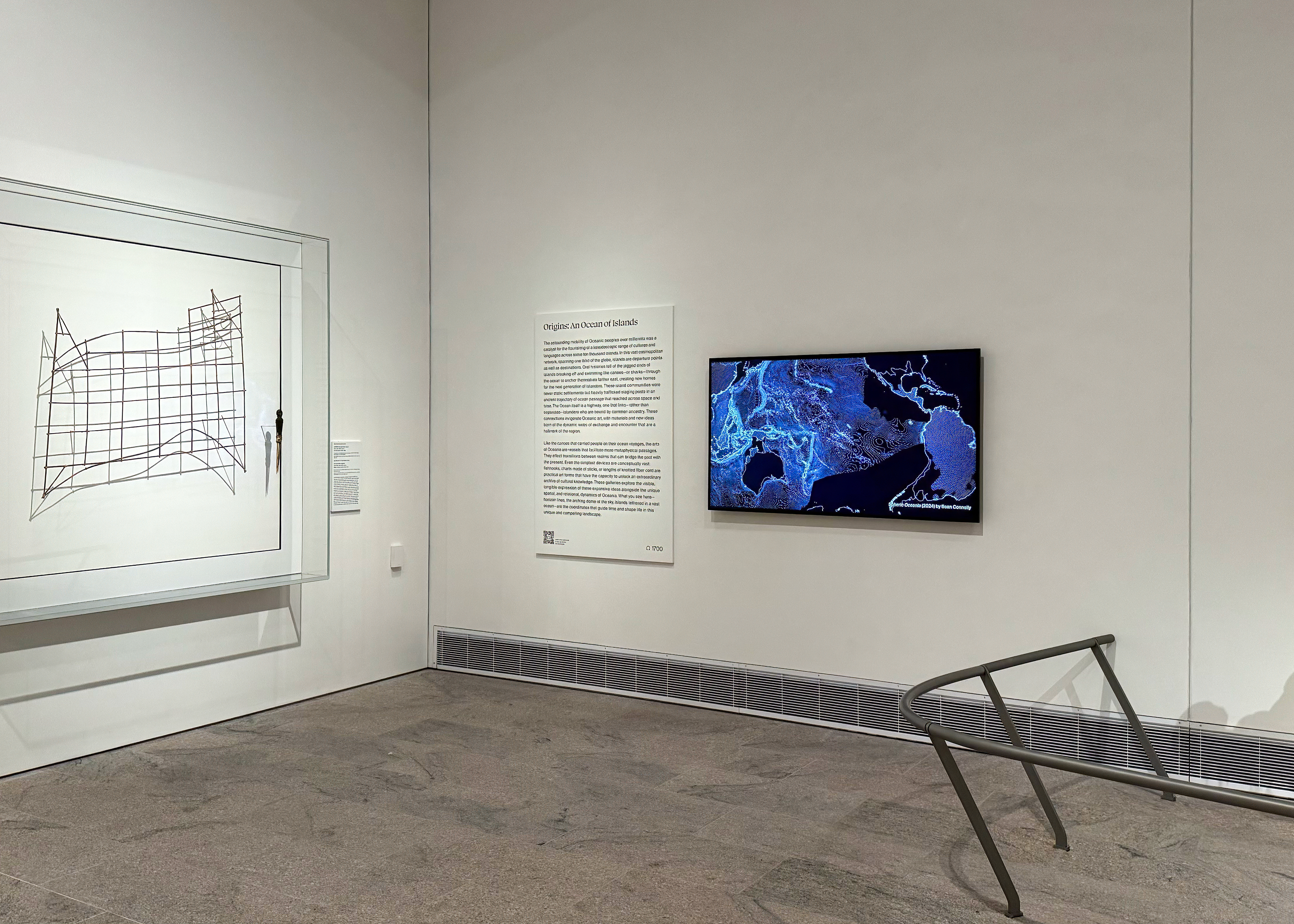
Image by Artist.
Spheric Oceania
2025. Video Installation; Mapping
The MET, Arts of Africa, the Ancient Americas, and Oceania
Manhattan, New York
A moving-image cartography presenting Oceania as a relational geography shaped by water, movement, and scale rather than fixed continental frames. Using mapping logic that foregrounds circulation and connection, the installation reorients perspective to treat islands as part of a continuous system. The work extends Connelly’s use of cartography as spatial and cultural critique. Curated by Maia Nuku.
read More
2025. Video Installation; Mapping
The MET, Arts of Africa, the Ancient Americas, and Oceania
Manhattan, New York
A moving-image cartography presenting Oceania as a relational geography shaped by water, movement, and scale rather than fixed continental frames. Using mapping logic that foregrounds circulation and connection, the installation reorients perspective to treat islands as part of a continuous system. The work extends Connelly’s use of cartography as spatial and cultural critique. Curated by Maia Nuku.
read More
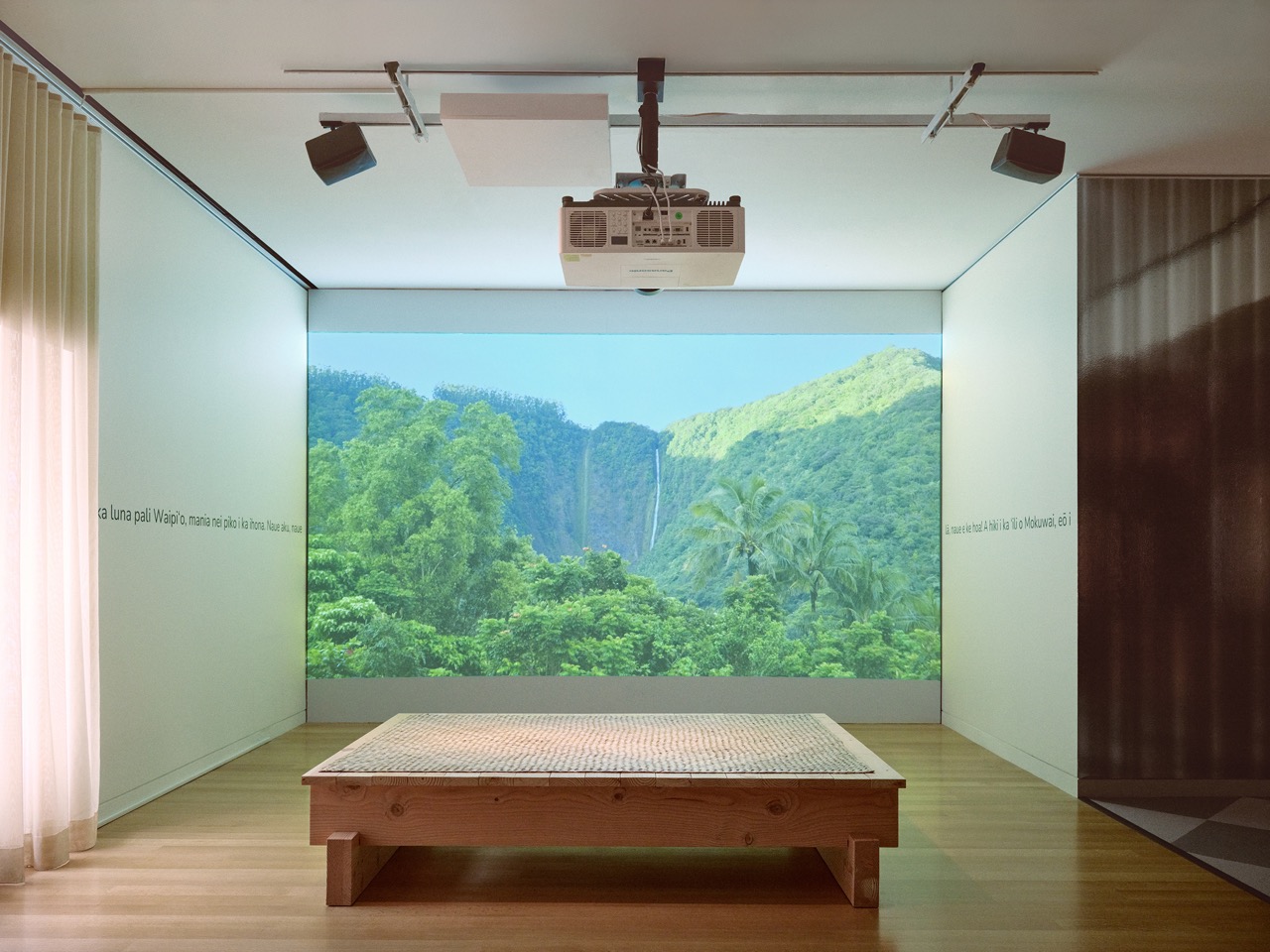
Image by Christian Delfino
Hālau Kūkulu Hawai‘i (Film)
2024. Group Exhibition; Documentary Film
Cooper Hewitt Design Museum — Manhattan, New York
A documentary work extending the Hālau Kūkulu Hawai‘i project through moving image. The film traces collaborative knowledge exchange—builders, cultural practitioners, architects, and engineers—foregrounding labor, pedagogy, and shared responsibility as architectural method. Presented alongside the installation, it positions documentation as a civic tool rather than an afterimage. Videography in collaboration with kekahi wahi.
2024. Group Exhibition; Documentary Film
Cooper Hewitt Design Museum — Manhattan, New York
A documentary work extending the Hālau Kūkulu Hawai‘i project through moving image. The film traces collaborative knowledge exchange—builders, cultural practitioners, architects, and engineers—foregrounding labor, pedagogy, and shared responsibility as architectural method. Presented alongside the installation, it positions documentation as a civic tool rather than an afterimage. Videography in collaboration with kekahi wahi.
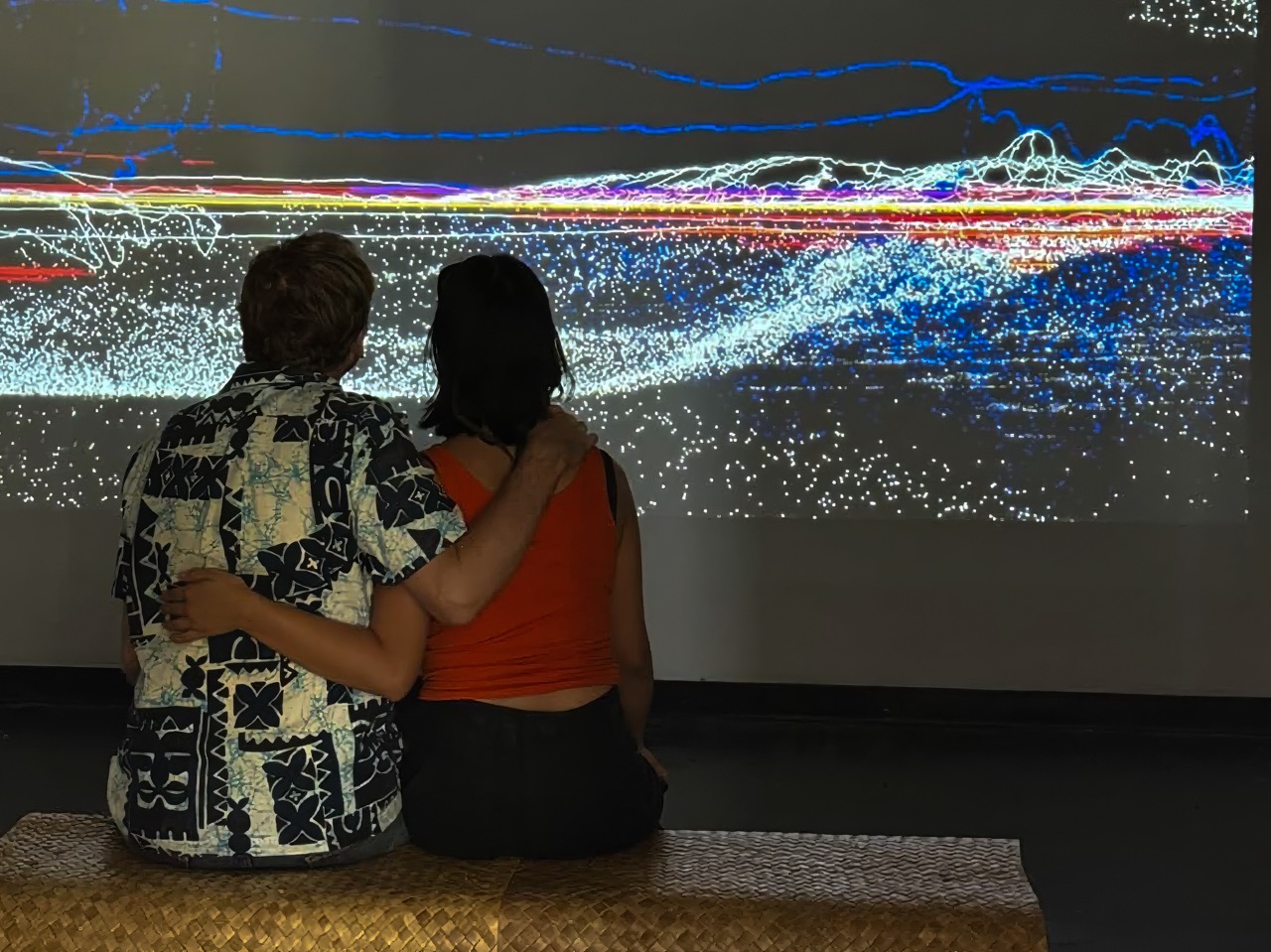
Image by Alec Singer.
Hala Studies
2025. Video Installation
Waiola Arts Center — Hilo, Hawai‘i
Two video cartographies integrating geospatial data on wind, water, soil, sun, and ground to link ocean, canoe, and land through hala. GIS and architectural modeling traverse thresholds between land, sea, and sky, accompanied by hala weaving sound and pule (prayer). The works position hala as both material intelligence and ecological connector across Pae ʻĀina Hawai‘i.
2025. Video Installation
Waiola Arts Center — Hilo, Hawai‘i
Two video cartographies integrating geospatial data on wind, water, soil, sun, and ground to link ocean, canoe, and land through hala. GIS and architectural modeling traverse thresholds between land, sea, and sky, accompanied by hala weaving sound and pule (prayer). The works position hala as both material intelligence and ecological connector across Pae ʻĀina Hawai‘i.
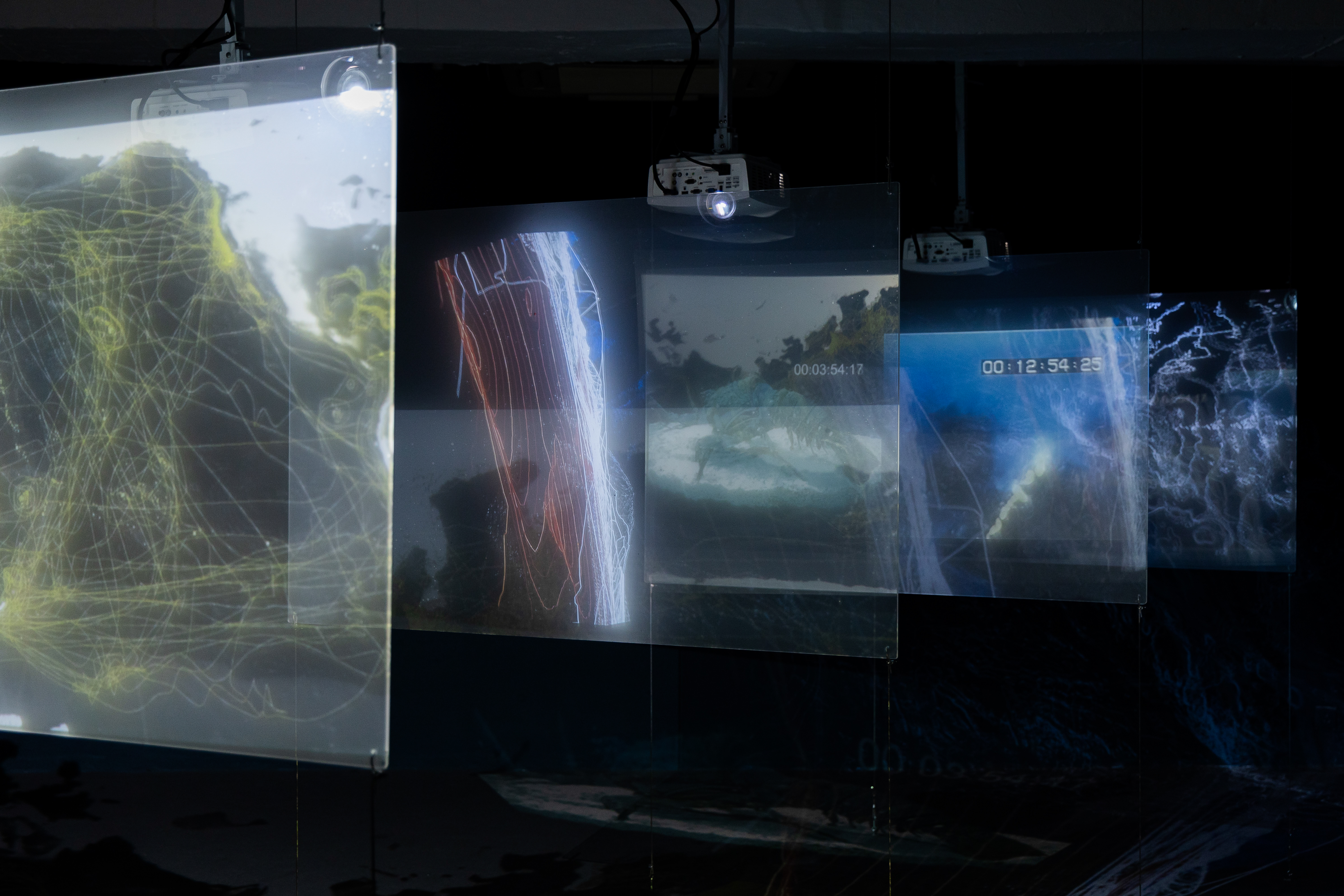
Image by Jay Due.
Africa-Pacific
2024. Group Exhibition; Video Installation; Mapping
Osage Art Foundation — Hong Kong, China
A cartographic and moving-image work examining Africa–Pacific linkages across oceanic routes shaped by labor, extraction, militarization, and migration. Layered mapping and installation logic situate Hawai‘i within a broader planetary geography, using cartography to surface historical continuities and present-day infrastructural forces that connect distant regions through the sea. Curated by Patrick Flores and Reuben Keehan.
2024. Group Exhibition; Video Installation; Mapping
Osage Art Foundation — Hong Kong, China
A cartographic and moving-image work examining Africa–Pacific linkages across oceanic routes shaped by labor, extraction, militarization, and migration. Layered mapping and installation logic situate Hawai‘i within a broader planetary geography, using cartography to surface historical continuities and present-day infrastructural forces that connect distant regions through the sea. Curated by Patrick Flores and Reuben Keehan.
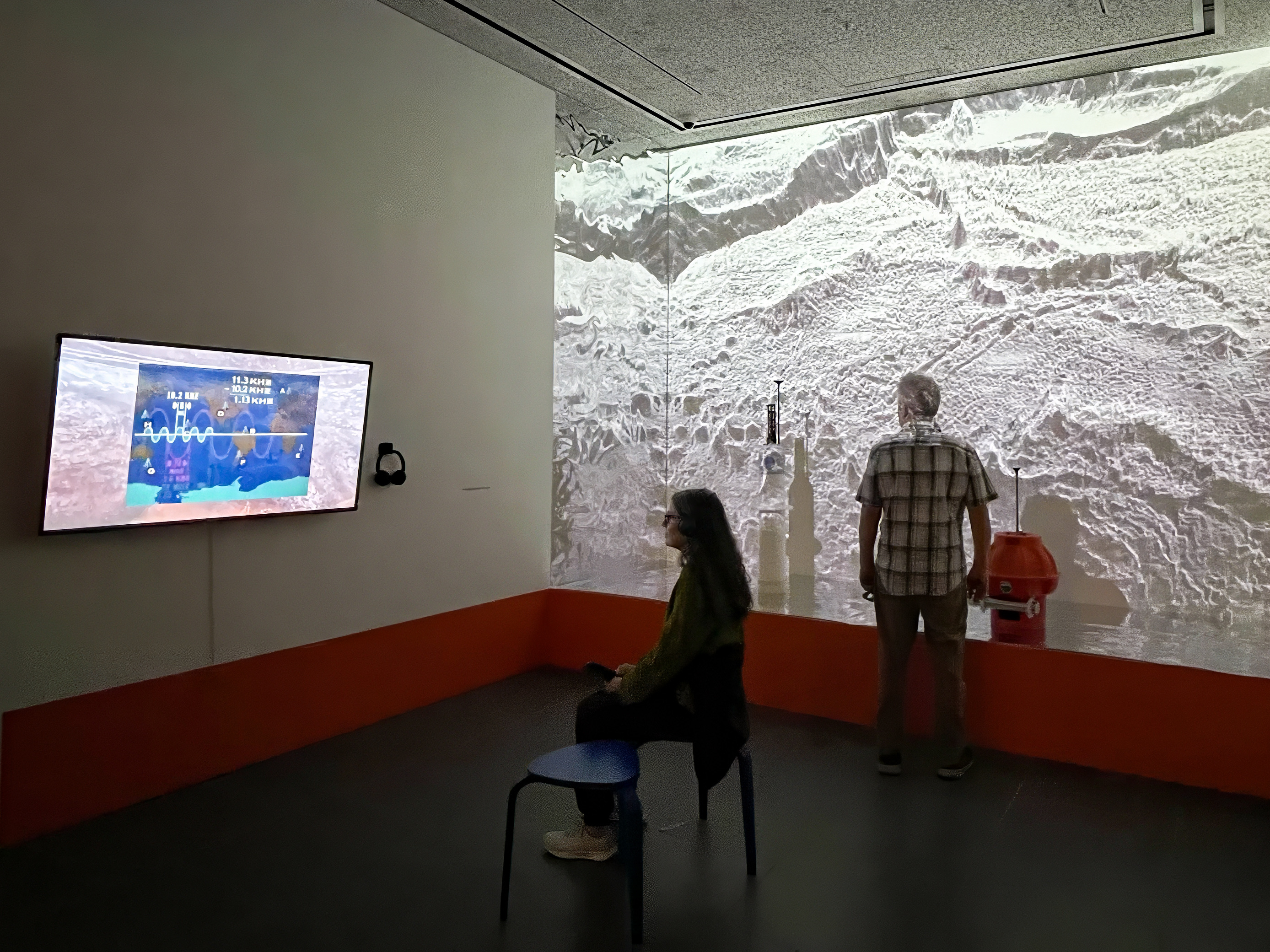
Image by Artist.
Gut Technics / Hydraulic Islands
2024. Group Exhibition; Film; Mapping
Oceanside Museum of Art — San Diego, California
An experimental film and mapping project examining islands as hydraulic and technological systems. Using digital cartography, archival imagery, and field recordings, the work traces navigation technologies—from early radio to GPS—as tools of imperial observation that accelerate ecological collapse. Framed through “gut technics,” it proposes embodied, ethical relation between human and oceanic systems. Curated by Cassandra Coblentz, Aaron Katzeman, and Ziying Duan.
2024. Group Exhibition; Film; Mapping
Oceanside Museum of Art — San Diego, California
An experimental film and mapping project examining islands as hydraulic and technological systems. Using digital cartography, archival imagery, and field recordings, the work traces navigation technologies—from early radio to GPS—as tools of imperial observation that accelerate ecological collapse. Framed through “gut technics,” it proposes embodied, ethical relation between human and oceanic systems. Curated by Cassandra Coblentz, Aaron Katzeman, and Ziying Duan.
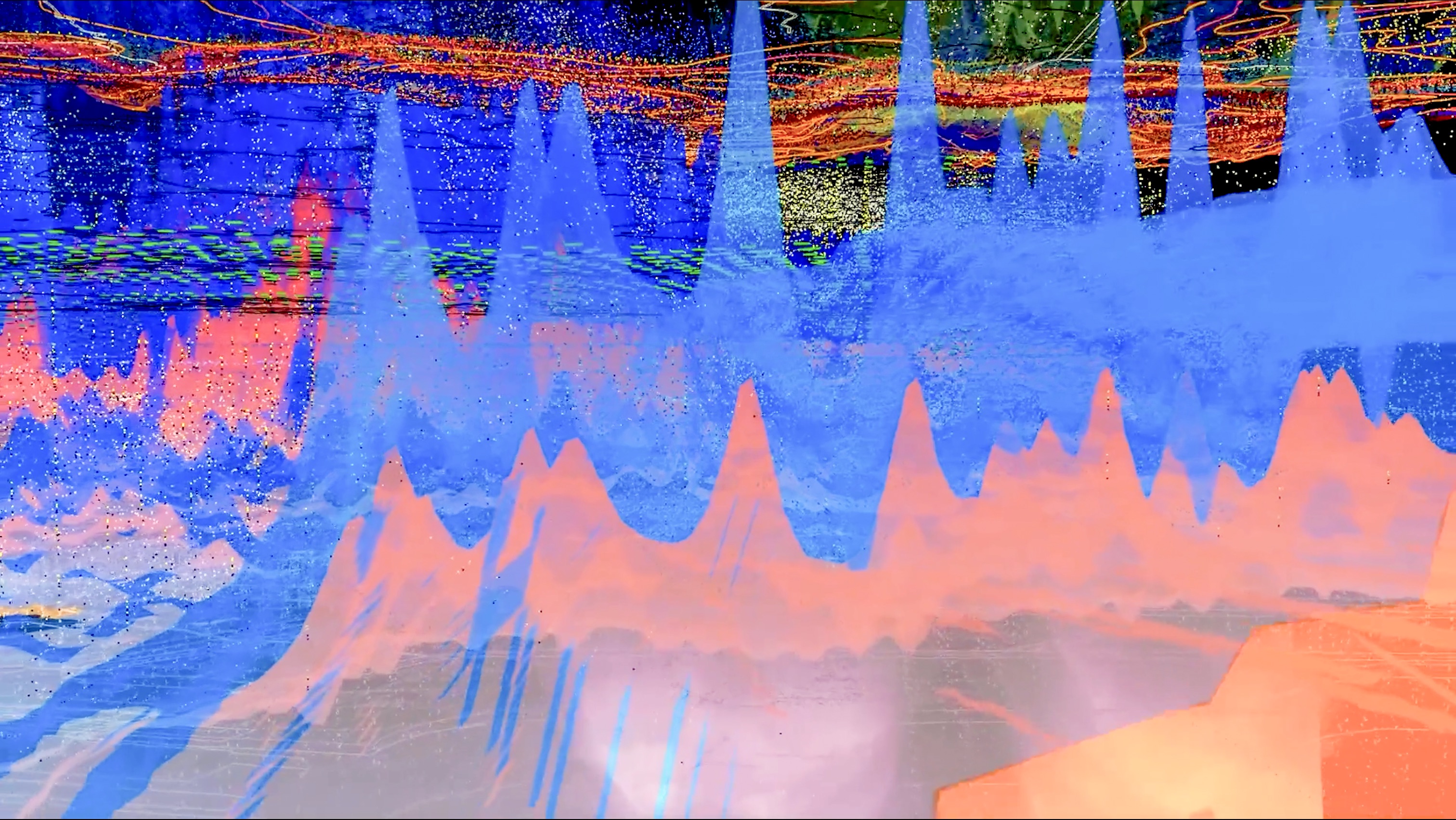
Image by Artist.
Technology of Ahupua‘a in the Production of Food and Surfing
2024. Film; Group Screening
Hawai‘i Art Summit — Honolulu, Hawai‘i
A video set within a speculative future architecture seminar taught entirely in ʻŌlelo Hawaiʻi. The work animates a digital ahupuaʻa model with real geospatial datasets—rainfall, wind, soil permeability, nutrient capacity—paired with sensory sound and archival memory. It situates design theory inside Native ecological governance and food systems, treating film as spatial pedagogy. Presented in collaboration with kekahi wahi.
2024. Film; Group Screening
Hawai‘i Art Summit — Honolulu, Hawai‘i
A video set within a speculative future architecture seminar taught entirely in ʻŌlelo Hawaiʻi. The work animates a digital ahupuaʻa model with real geospatial datasets—rainfall, wind, soil permeability, nutrient capacity—paired with sensory sound and archival memory. It situates design theory inside Native ecological governance and food systems, treating film as spatial pedagogy. Presented in collaboration with kekahi wahi.
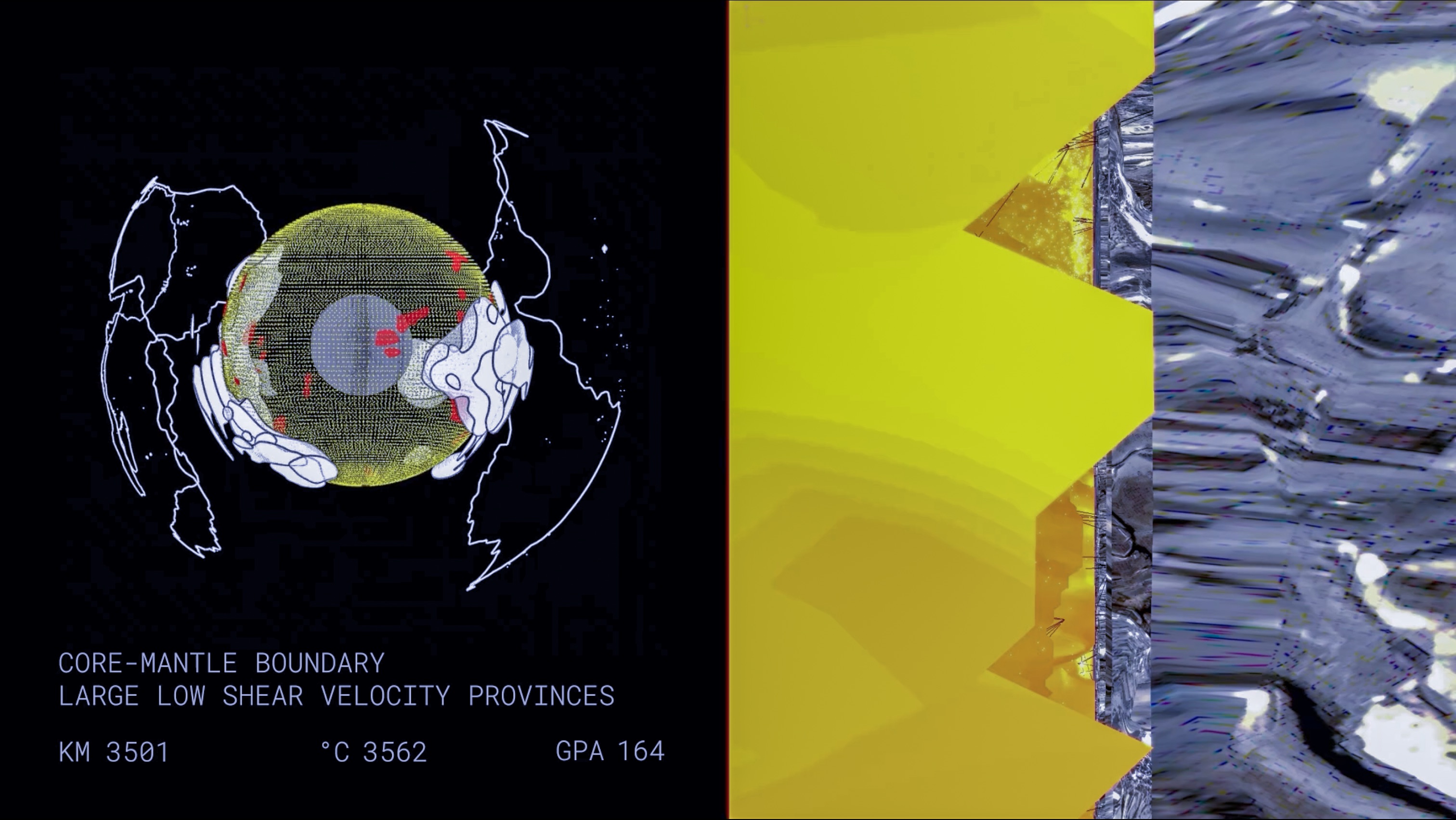
Image by Artist.
HOTSPOT
2023. Film; Group Screening
MoMA — Manhattan, New York
A geological sound bath moving through tomographic visualization of the volcanic hotspot that forms the Hawaiian Islands. Traveling from Earth’s core to surface, the film layers visualized and sonified data with architectural modeling and memory, treating geology as lived system. The work extends Connelly’s method of using data-driven media to articulate deep time and place. Presented in collaboration with kekahi wahi.
2023. Film; Group Screening
MoMA — Manhattan, New York
A geological sound bath moving through tomographic visualization of the volcanic hotspot that forms the Hawaiian Islands. Traveling from Earth’s core to surface, the film layers visualized and sonified data with architectural modeling and memory, treating geology as lived system. The work extends Connelly’s method of using data-driven media to articulate deep time and place. Presented in collaboration with kekahi wahi.
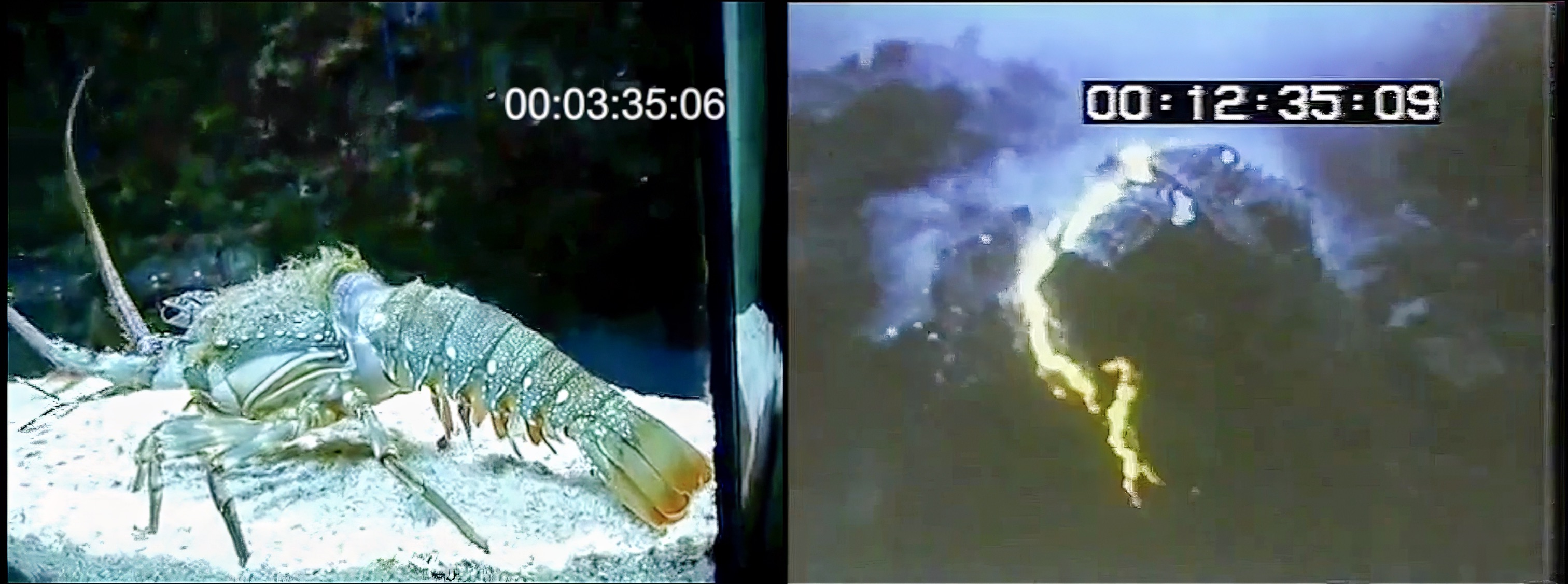
Image by Artist.
Lava, Lobster
2023. Film; Group Screening
MoMA — Manhattan, New York
Two synchronized videos—a lobster molting and a seafloor lava eruption—unfold side by side on a shared timeline. For a brief moment, biological transformation and geological formation move at the same pace. The film collapses scale and time to consider how radical change across different systems can occur faster than expected, foregrounding urgency and possibility. Presented in collaboration with kekahi wahi.
2023. Film; Group Screening
MoMA — Manhattan, New York
Two synchronized videos—a lobster molting and a seafloor lava eruption—unfold side by side on a shared timeline. For a brief moment, biological transformation and geological formation move at the same pace. The film collapses scale and time to consider how radical change across different systems can occur faster than expected, foregrounding urgency and possibility. Presented in collaboration with kekahi wahi.
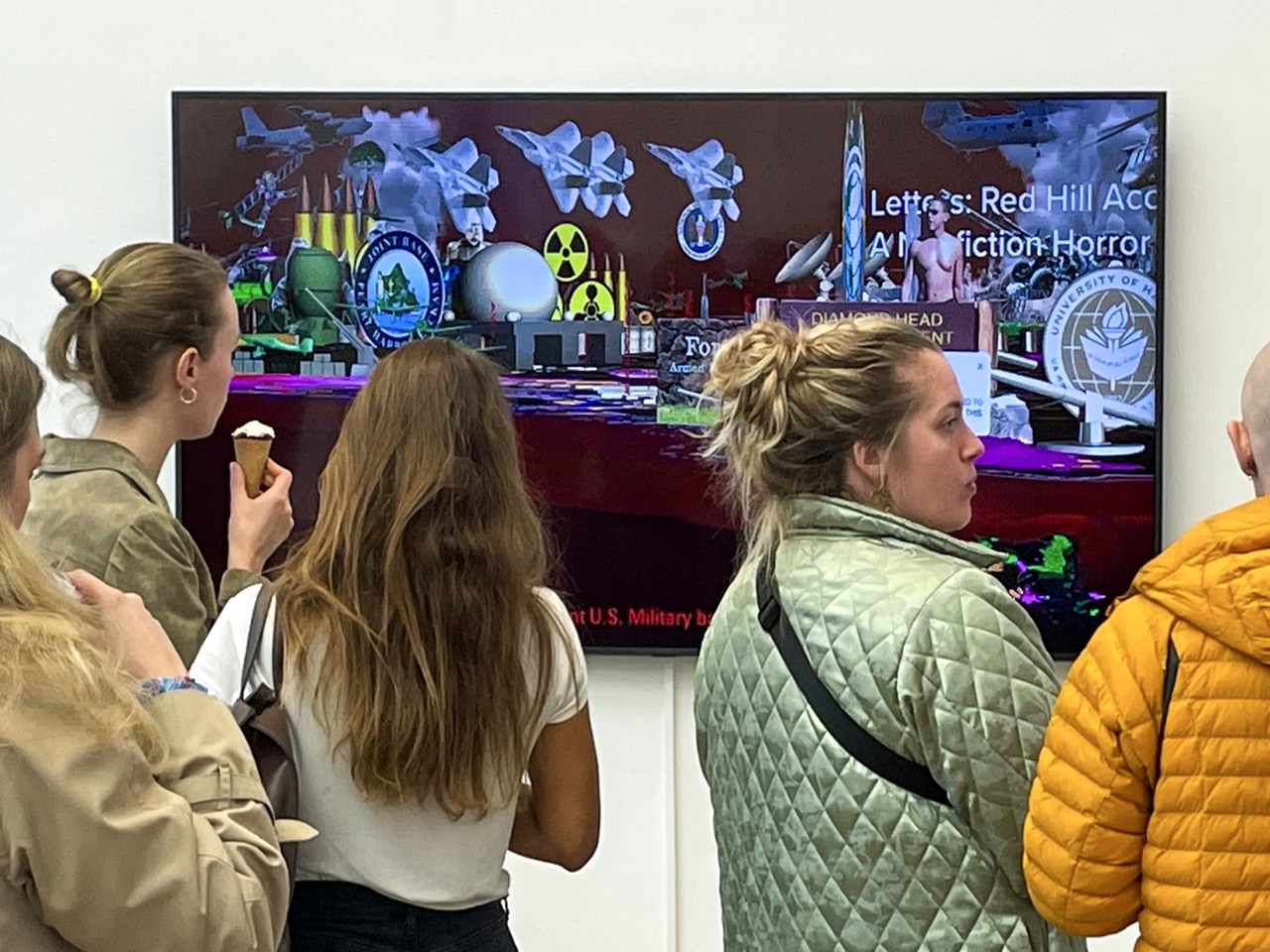
Image by Artist.
O‘ahu is a Giant Military Base
2022. Group Exhibition; Film; Mapping
Kunsthal Charlottenborg — Copenhagen, Denmark
An experimental cartographic film visualizing U.S. military occupation across Oʻahu from 1898 to the present. Layering bases, fences, fuel storage, and live-fire ranges onto a perspective island view, the work makes militarization legible within everyday geography. It advances Connelly’s ongoing inquiry into land, infrastructure, and governance through spatial visualization. Curated by N.R.O. (Adam Khalil, Zack Khalil, and Jackson Polys)
2022. Group Exhibition; Film; Mapping
Kunsthal Charlottenborg — Copenhagen, Denmark
An experimental cartographic film visualizing U.S. military occupation across Oʻahu from 1898 to the present. Layering bases, fences, fuel storage, and live-fire ranges onto a perspective island view, the work makes militarization legible within everyday geography. It advances Connelly’s ongoing inquiry into land, infrastructure, and governance through spatial visualization. Curated by N.R.O. (Adam Khalil, Zack Khalil, and Jackson Polys)
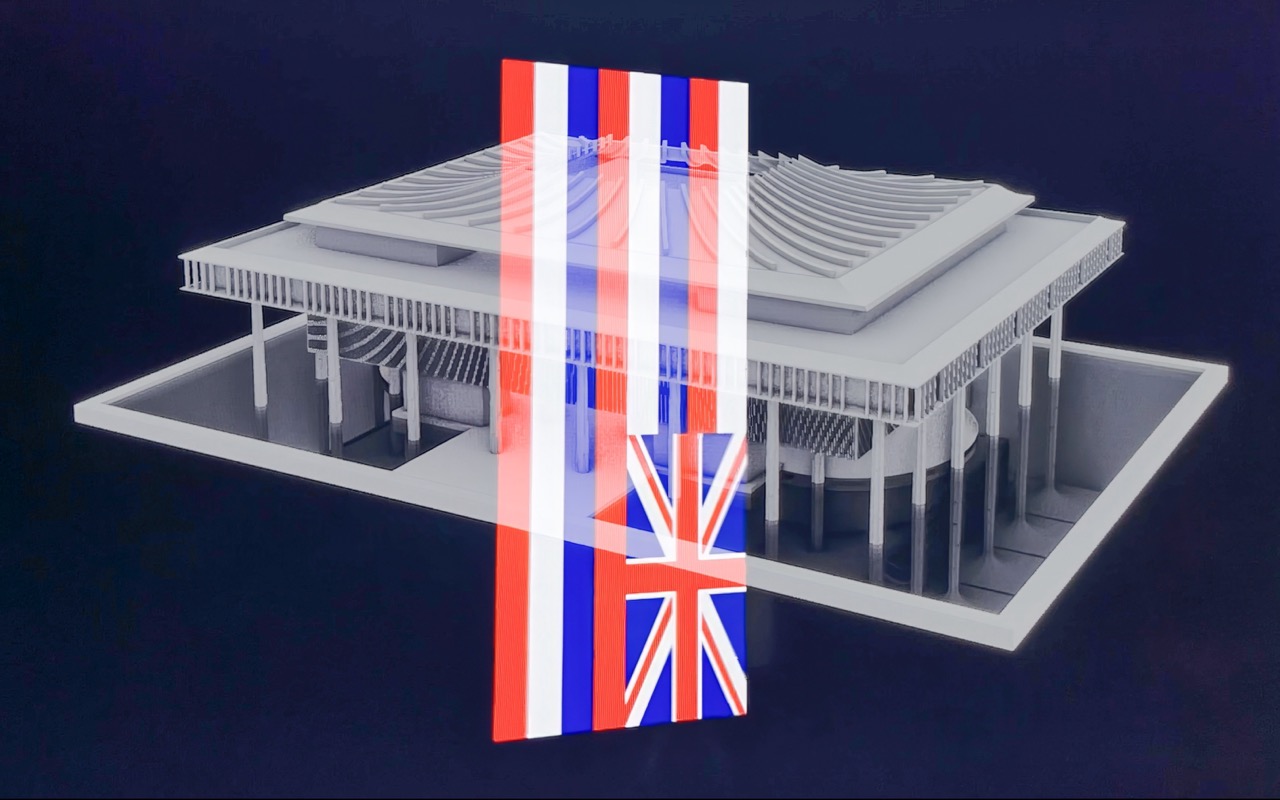
Image by Artist.
Justice Advancing Architecture Tour
2021. Experimental Documentary
Aupuni Space — Honolulu, Hawai‘i
A virtual tour confronting how modern architecture obscures the illegal U.S. occupation of Hawai‘i. Centering the Hawai‘i State Capitol and ʻIolani Palace, the film reframes ʻIolani as an overlooked example of Indigenous Hawaiian modernity and challenges architectural pedagogy to confront the politics embedded in form. The work positions design as non-neutral, bound to survival.
2021. Experimental Documentary
Aupuni Space — Honolulu, Hawai‘i
A virtual tour confronting how modern architecture obscures the illegal U.S. occupation of Hawai‘i. Centering the Hawai‘i State Capitol and ʻIolani Palace, the film reframes ʻIolani as an overlooked example of Indigenous Hawaiian modernity and challenges architectural pedagogy to confront the politics embedded in form. The work positions design as non-neutral, bound to survival.

Notes on Empire and Time (Revisiting Capitain Cook Monument)
2020. Group Exhibition; Sculpture; Performance
Various — Kealakekua, Hawai‘i
A site-responsive project engaging the Captain Cook monument through sculpture and performance. The work examines transportation, time, and colonial memory embedded in commemorative landscapes, reframing monuments as active sites of negotiation rather than fixed historical statements. It situates bodily action and material intervention as methods for re-reading contested sites and their afterlives.
2020. Group Exhibition; Sculpture; Performance
Various — Kealakekua, Hawai‘i
A site-responsive project engaging the Captain Cook monument through sculpture and performance. The work examines transportation, time, and colonial memory embedded in commemorative landscapes, reframing monuments as active sites of negotiation rather than fixed historical statements. It situates bodily action and material intervention as methods for re-reading contested sites and their afterlives.
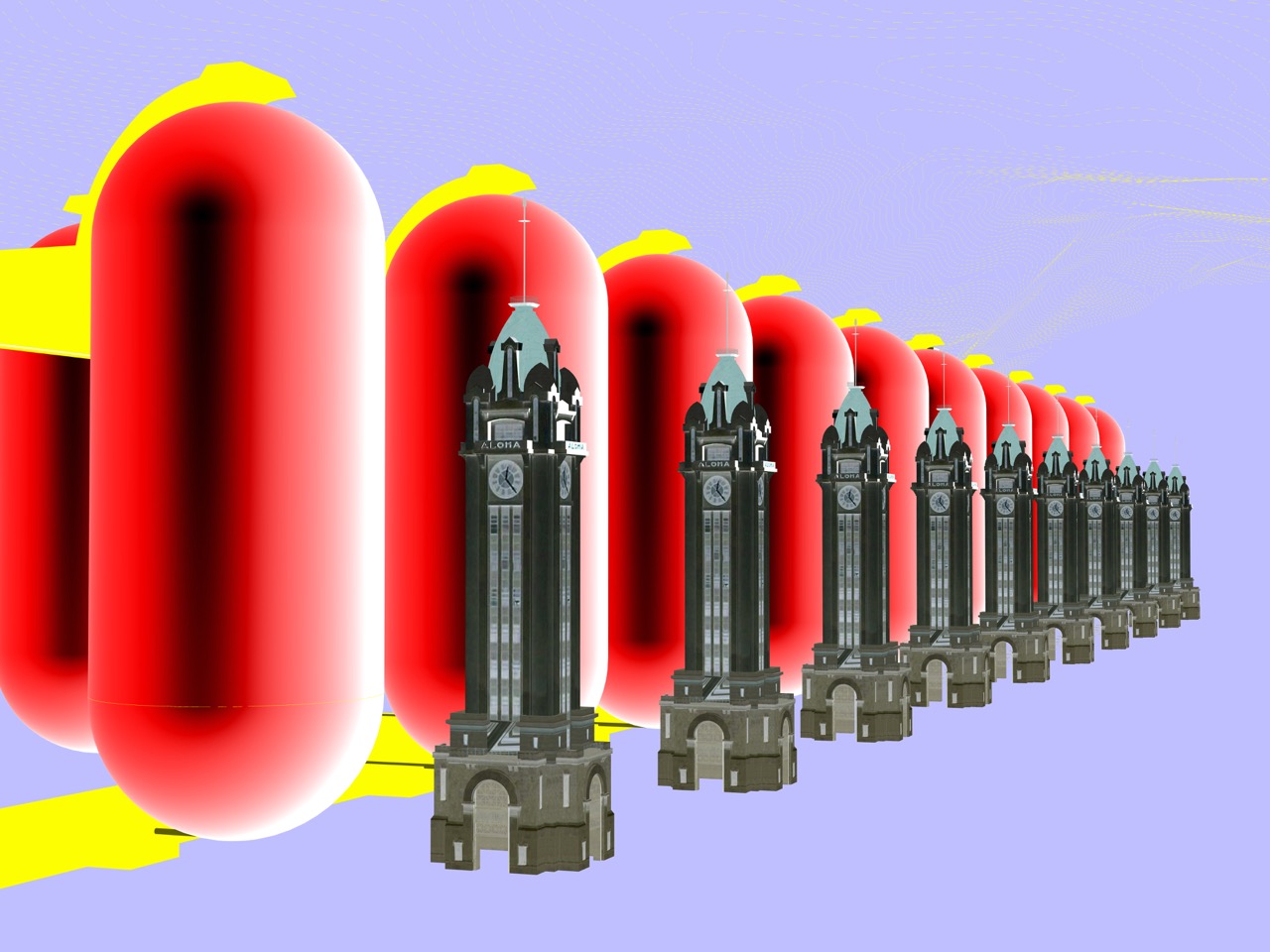
Image by Artist.
O‘ahu Military Atlas
2019. Experimental Documentary; Mapping
Waiwai Collective — Honolulu, Hawai‘i
An experimental documentary and mapping project surveying Oʻahu’s military landscape through spatial analysis. Built from archival U.S. military maps, environmental reports, and community testimony, the atlas visualizes how operations since 1898 have reshaped land, water systems, and infrastructure. The work treats cartography as a civic tool for making occupation legible at island scale.
2019. Experimental Documentary; Mapping
Waiwai Collective — Honolulu, Hawai‘i
An experimental documentary and mapping project surveying Oʻahu’s military landscape through spatial analysis. Built from archival U.S. military maps, environmental reports, and community testimony, the atlas visualizes how operations since 1898 have reshaped land, water systems, and infrastructure. The work treats cartography as a civic tool for making occupation legible at island scale.
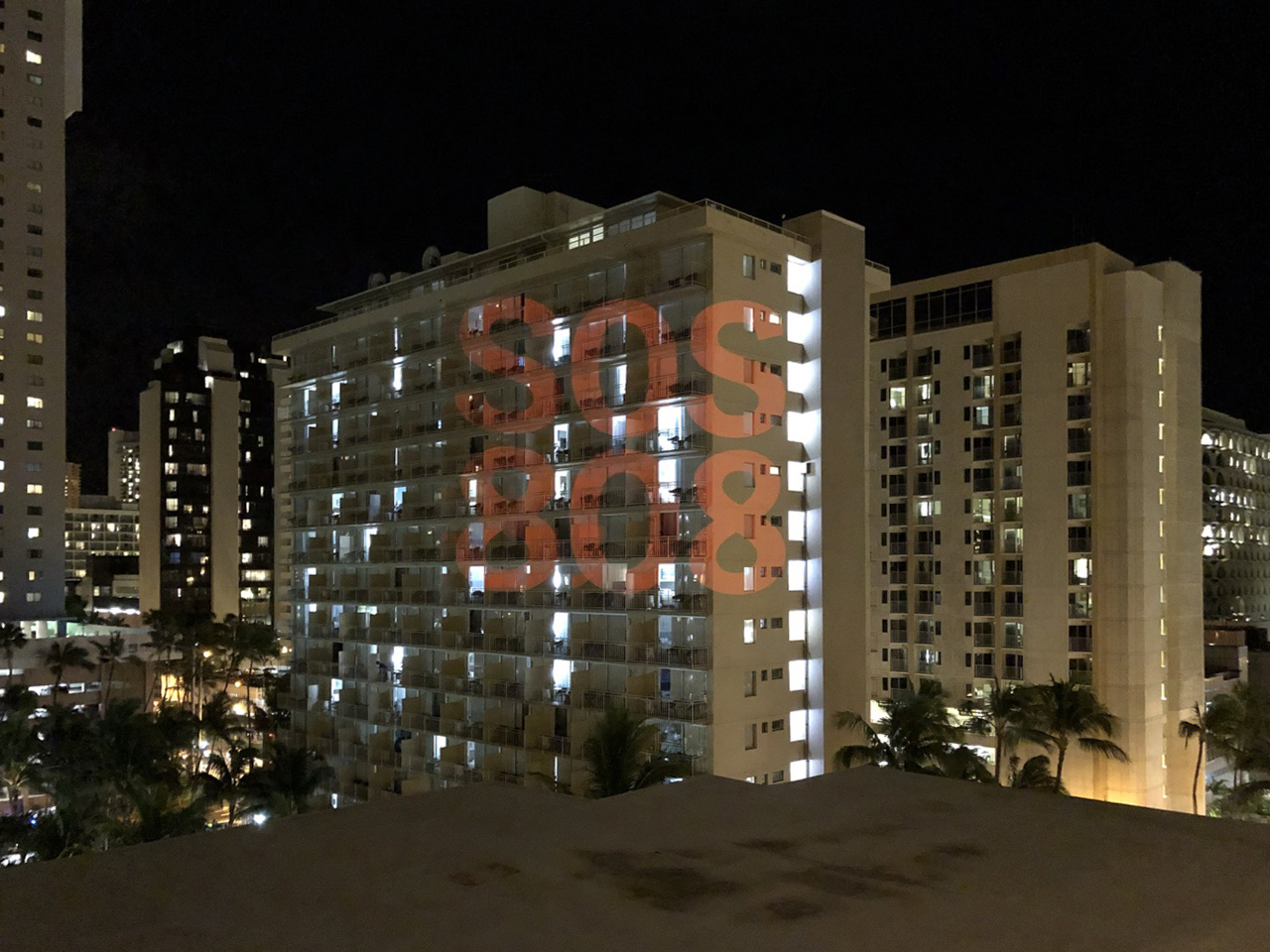
Image by Artist.
SOS State / System 808
2018. Group Exhibition; Video Art
Brooklyn Academy of Music / Surfjack Hotel — New York, New York / Honolulu, Hawai‘i
A video work examining Hawai‘i’s relationship to statehood, emergency, and systemic vulnerability. Through moving image, the project reflects on governance, infrastructure, and identity under conditions of crisis. Positioned within Connelly’s broader inquiry into occupation and futurity, the work treats the state as a system of signals—legal, ecological, and cultural—rather than a stable category.
2018. Group Exhibition; Video Art
Brooklyn Academy of Music / Surfjack Hotel — New York, New York / Honolulu, Hawai‘i
A video work examining Hawai‘i’s relationship to statehood, emergency, and systemic vulnerability. Through moving image, the project reflects on governance, infrastructure, and identity under conditions of crisis. Positioned within Connelly’s broader inquiry into occupation and futurity, the work treats the state as a system of signals—legal, ecological, and cultural—rather than a stable category.
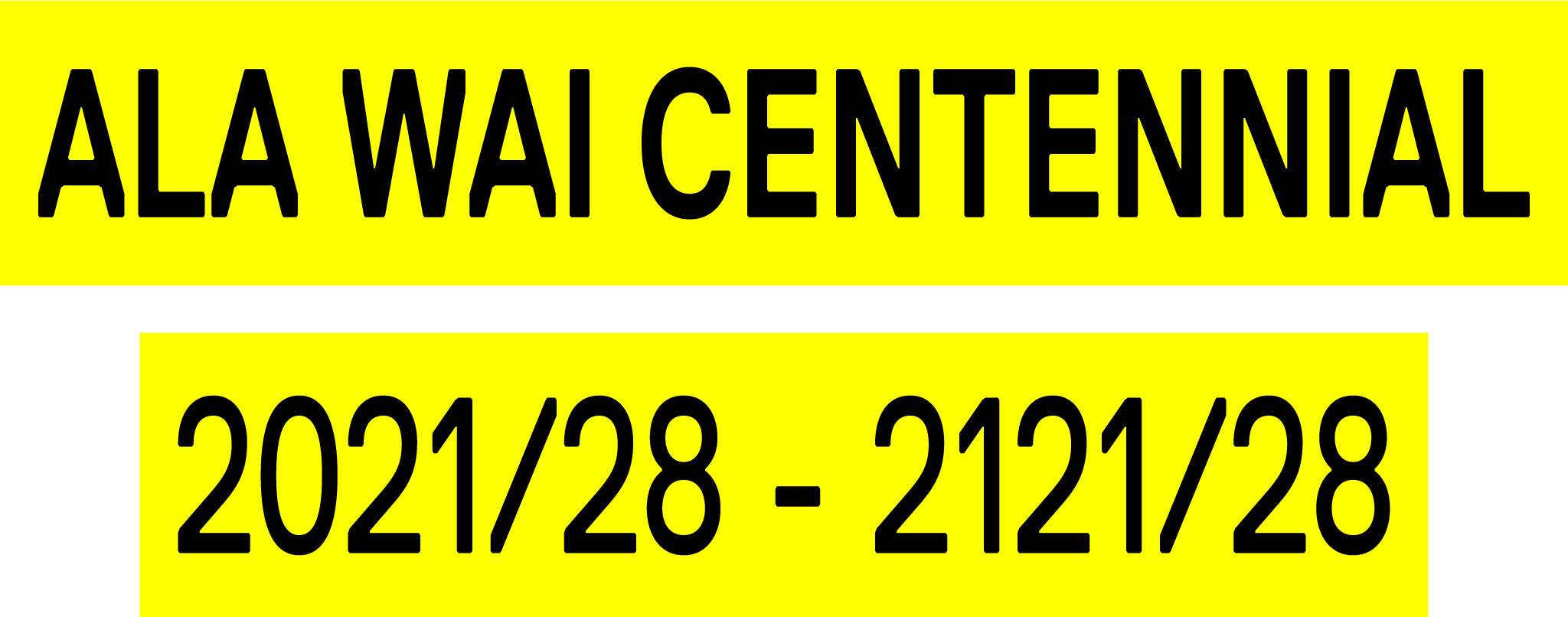
Image by Artist.
Ala Wai Centennial Memorial Project
2018. New Media; Mapping
Various — Honolulu, Hawai‘i
A public-facing mapping project marking the centennial of the Ala Wai Canal. The work reframes the canal as watershed infrastructure shaped by engineering, ecology, and colonial planning, using visualization to connect water, urban form, and responsibility. It extends Connelly’s sustained focus on hydrology and governance, positioning mapping as memorial, critique, and public pedagogy.
read more
2018. New Media; Mapping
Various — Honolulu, Hawai‘i
A public-facing mapping project marking the centennial of the Ala Wai Canal. The work reframes the canal as watershed infrastructure shaped by engineering, ecology, and colonial planning, using visualization to connect water, urban form, and responsibility. It extends Connelly’s sustained focus on hydrology and governance, positioning mapping as memorial, critique, and public pedagogy.
read more
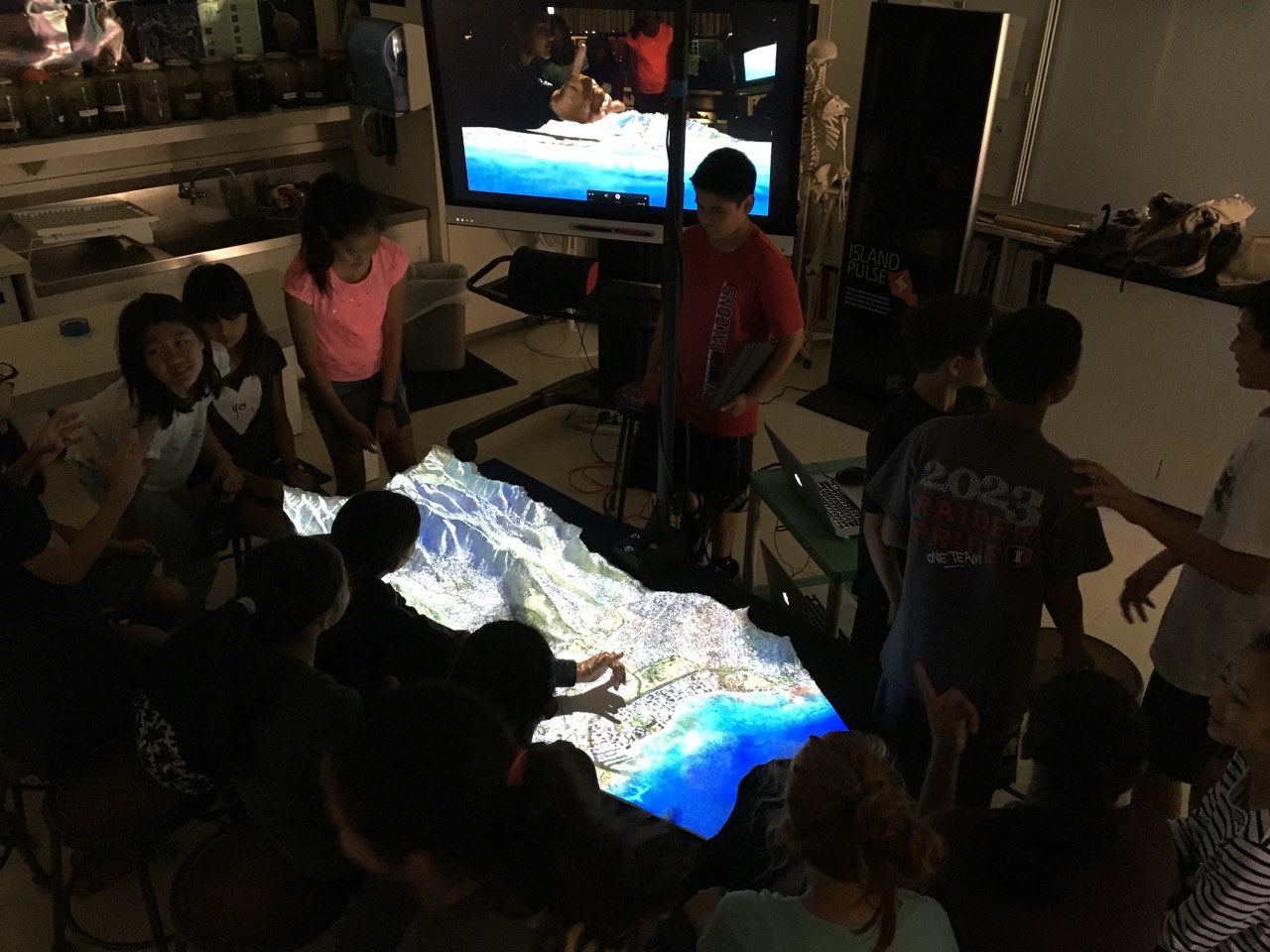
Image by Artist.
Holodeck Ahupua‘a
2018. Mobile Installation; Projection; Mapping
Various — Honolulu, Hawai‘i
A mobile projection environment applying ahupua‘a land-division logic to contemporary space. Animated mapping and moving image reimagine land, water, and resource flow as integrated system rather than parcel and boundary. Presented across sites, the installation functions as a temporary spatial classroom, translating Indigenous governance frameworks into public-facing, time-based experience.
2018. Mobile Installation; Projection; Mapping
Various — Honolulu, Hawai‘i
A mobile projection environment applying ahupua‘a land-division logic to contemporary space. Animated mapping and moving image reimagine land, water, and resource flow as integrated system rather than parcel and boundary. Presented across sites, the installation functions as a temporary spatial classroom, translating Indigenous governance frameworks into public-facing, time-based experience.
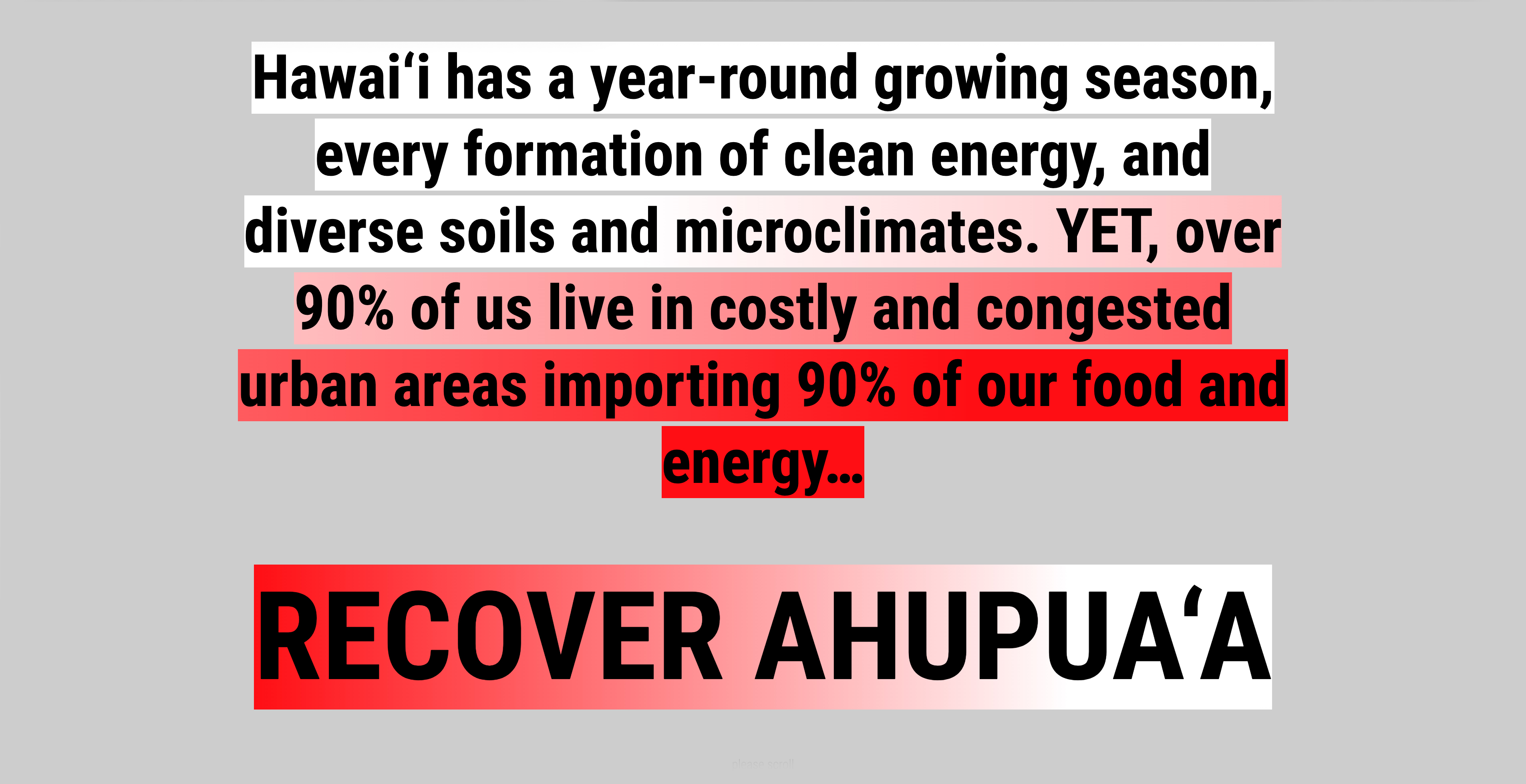
Image by Artist.
Hawai‘i Futures
2010. New Media
(Project platform / multi-site; ongoing framework)
An early research project introducing an ocean–earth–island–cosmos framework for living in place. Using digital media and mapping, the project reimagined Hawai‘i’s land and water systems as interconnected and future-oriented. Hawai‘i Futures established conceptual foundations for later work across sculpture, film, cartography, and civic practice, grounding futurity in ecological responsibility and place-based knowledge.
read more
2010. New Media
(Project platform / multi-site; ongoing framework)
An early research project introducing an ocean–earth–island–cosmos framework for living in place. Using digital media and mapping, the project reimagined Hawai‘i’s land and water systems as interconnected and future-oriented. Hawai‘i Futures established conceptual foundations for later work across sculpture, film, cartography, and civic practice, grounding futurity in ecological responsibility and place-based knowledge.
read more